
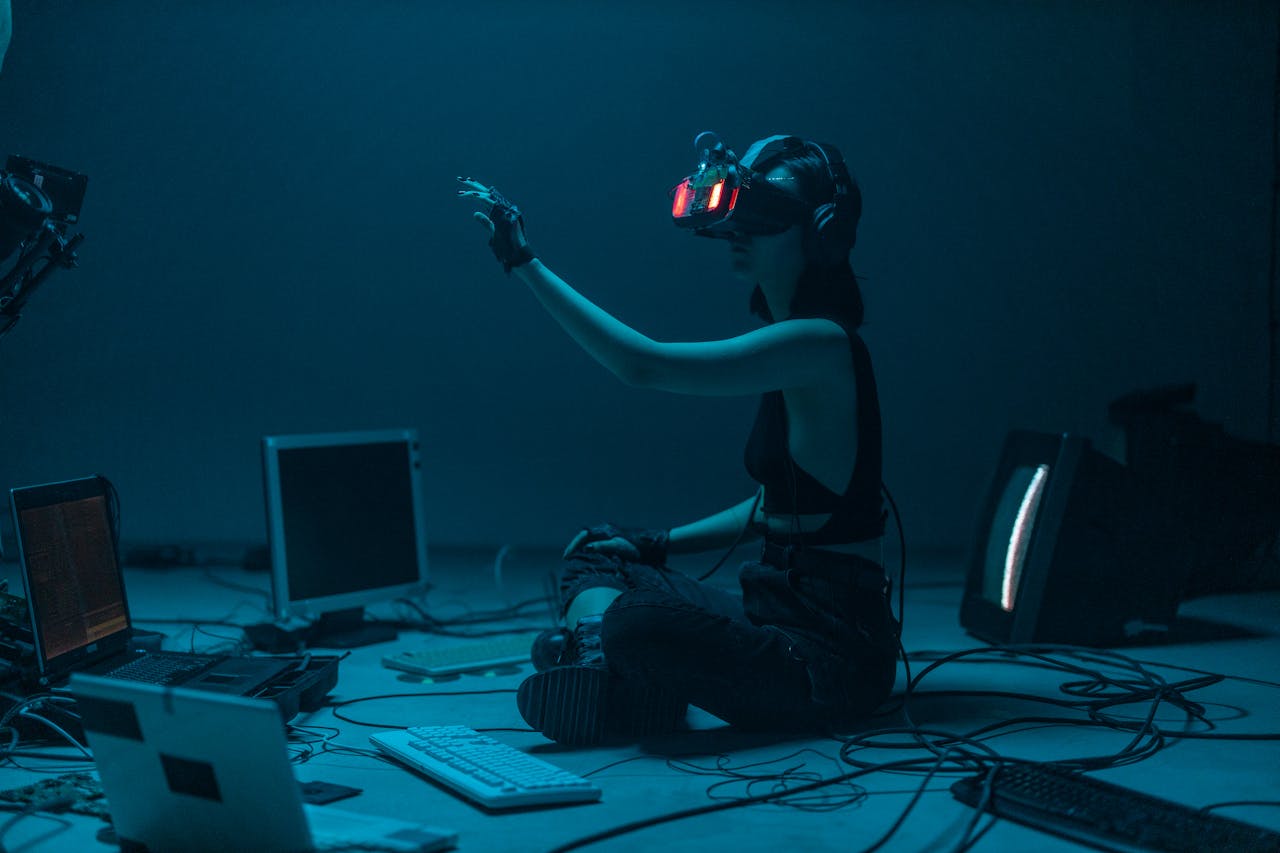
Technology is no longer just about gadgets and apps—it has become part of how we live, work, and think. From smartphones that manage our schedules to AI tools that help businesses grow, technology is shaping everyday decisions in powerful ways. In education, online platforms and digital tools are making learning more flexible and accessible, even in remote areas. In health, wearable devices now track heart rates, sleep patterns, and fitness levels, helping people take control of their well-being. Businesses are also benefiting, using automation and data analytics to save time, reduce costs, and reach customers more effectively. What makes modern technology truly impactful is not its complexity, but its ability to simplify life. As innovation continues to grow, those who learn to adapt and use technology wisely will have a strong advantage in the future. Technology has become one of the most powerful forces driving human progress in the modern world. What once felt like science fiction is now part of our everyday reality. From smartphones in our pockets to artificial intelligence shaping global industries, technology continues to redefine how we live, work, communicate, and dream. This powerful digital revolution is not only transforming systems and economies, but also reshaping human behavior, opportunity, and creativity on a global scale. In today’s fast-moving world, technology is no longer optional. It is a core foundation of modern life. Whether you are a student, entrepreneur, content creator, athlete, or business owner, your success is increasingly connected to how well you understand and use technology. This article explores how technology is evolving, its impact across key areas of life, and why embracing innovation is the smartest move for the future. The Evolution of Technology: From Tools to Intelligence Technology began as simple tools created to solve basic human problems. Early inventions like the wheel, printing press, and steam engine marked major milestones in human history. However, the digital age has accelerated innovation at an unprecedented pace. The invention of computers introduced automation and data processing. The internet then connected the world, allowing information to move freely across borders. Today, we are living in the age of intelligent technology—where machines can learn, analyze, and make decisions using artificial intelligence and machine learning. Unlike past innovations, modern technology does not just assist humans; it collaborates with them. AI-powered systems can now write content, analyze medical scans, predict market trends, and personalize user experiences. This shift from tools to intelligent systems represents one of the most important transformations in human history. Technology and Communication: A Connected World One of the most visible impacts of technology is how it has transformed communication. Social media platforms, messaging apps, and video conferencing tools have removed physical barriers, allowing people to connect instantly from anywhere in the world. Families separated by distance can now stay close through video calls. Businesses collaborate across continents in real time. Content creators share ideas with global audiences within seconds. This level of connection was unimaginable just a few decades ago. At the same time, technology has changed how information spreads. News travels faster, trends emerge instantly, and public conversations happen on digital platforms. While this brings opportunities, it also highlights the importance of digital literacy—knowing how to evaluate information critically and use platforms responsibly. Technology in Education: Learning Without Limits Education has been completely transformed by technology. Traditional classrooms are no longer the only place where learning happens. Online courses, virtual classrooms, educational apps, and AI tutors are making knowledge more accessible than ever before. Students can now learn at their own pace, revisit lessons, and explore subjects beyond their school curriculum. Platforms offering free and paid courses allow anyone with internet access to learn skills such as coding, digital marketing, design, and data analysis. Technology also supports teachers by providing interactive tools, performance tracking, and personalized learning experiences. In regions with limited access to physical schools, digital education is creating new opportunities and closing long-standing gaps. For a deeper look at how digital learning is shaping education globally, you can explore resources from organizations like UNESCO, which focuses on technology-driven education initiatives:https://www.unesco.org Technology and Business: Speed, Efficiency, and Growth In the business world, technology is a powerful engine of growth. Companies of all sizes now rely on digital tools to operate efficiently, reach customers, and compete in global markets. Automation software reduces repetitive tasks, allowing teams to focus on creativity and strategy. Cloud computing enables businesses to scale quickly without massive infrastructure costs. Data analytics helps companies understand customer behavior and make smarter decisions. Digital marketing has also transformed how brands connect with audiences. Social media, search engines, email campaigns, and influencer partnerships allow businesses to target specific audiences with precision. Small startups can now compete with large corporations by using the right digital strategies. For entrepreneurs and marketers, platforms like Google provide valuable insights into digital trends, analytics, and online growth strategies:https://www.google.com/analytics The Role of Artificial Intelligence in Modern Life Artificial intelligence is one of the most powerful and transformative technologies of our time. AI systems are now used in healthcare, finance, transportation, security, and entertainment. In healthcare, AI helps doctors detect diseases earlier, analyze medical data, and improve patient outcomes. In finance, algorithms identify fraud, manage investments, and assess risk. In transportation, AI powers navigation systems and self-driving vehicle research. AI is also becoming more personal. Recommendation systems suggest music, videos, and products based on user behavior. Virtual assistants help manage schedules, answer questions, and control smart devices. While AI raises important ethical questions, its potential to improve efficiency, safety, and quality of life is undeniable. The key lies in responsible development and human-centered design. For more insights into AI research and innovation, OpenAI offers valuable educational resources and discussions on responsible AI development:https://www.openai.com Technology and Health: A Smarter Approach to Well-Being Health technology has revolutionized how people manage their physical and mental well-being. Wearable devices track heart rate, sleep patterns, steps, and calories, helping individuals make informed lifestyle choices. Telemedicine allows patients to consult doctors remotely, saving time and expanding